


Victorian Cast Iron Radiator Upgrades for Heat Pumps in Geelong
Quick Summary: Yes, historic cast iron radiators in Victorian homes can be successfully retrofitted to run on energy-efficient air-to-water heat pumps. By pairing modern hydronic heat pumps with thermostatic radiator valves (TRVs) and low-temperature water balancing (45°C–55°C), heritage homeowners in Geelong can lower heating bills by up to 45% without removing original cast iron fixtures or damaging historic flooring.
- Audience: Owners of heritage, Edwardian, and Victorian properties in Greater Geelong.
- Preservation Impact: Zero damage to antique timber floors, skirting boards, or plaster walls.
- Key Technology: Air-to-water inverter heat pumps paired with smart hydronic flow balancing.
Victorian Radiator Upgrades for Heat Pumps
Victorian and period-era homes across Geelong are renowned for their timeless aesthetic, often featuring classic cast iron radiators. However, traditional hydronic boilers run at high flow temperatures (70°C–80°C), whereas modern heat pumps operate most efficiently at lower flow temperatures (45°C–55°C).
Adapting Victorian Radiators for Modern Heat Pumps
How We Optimize Heritage Heating Networks for Heat Pumps
Surface Area & Resizing
Preservation of Period Aesthetics
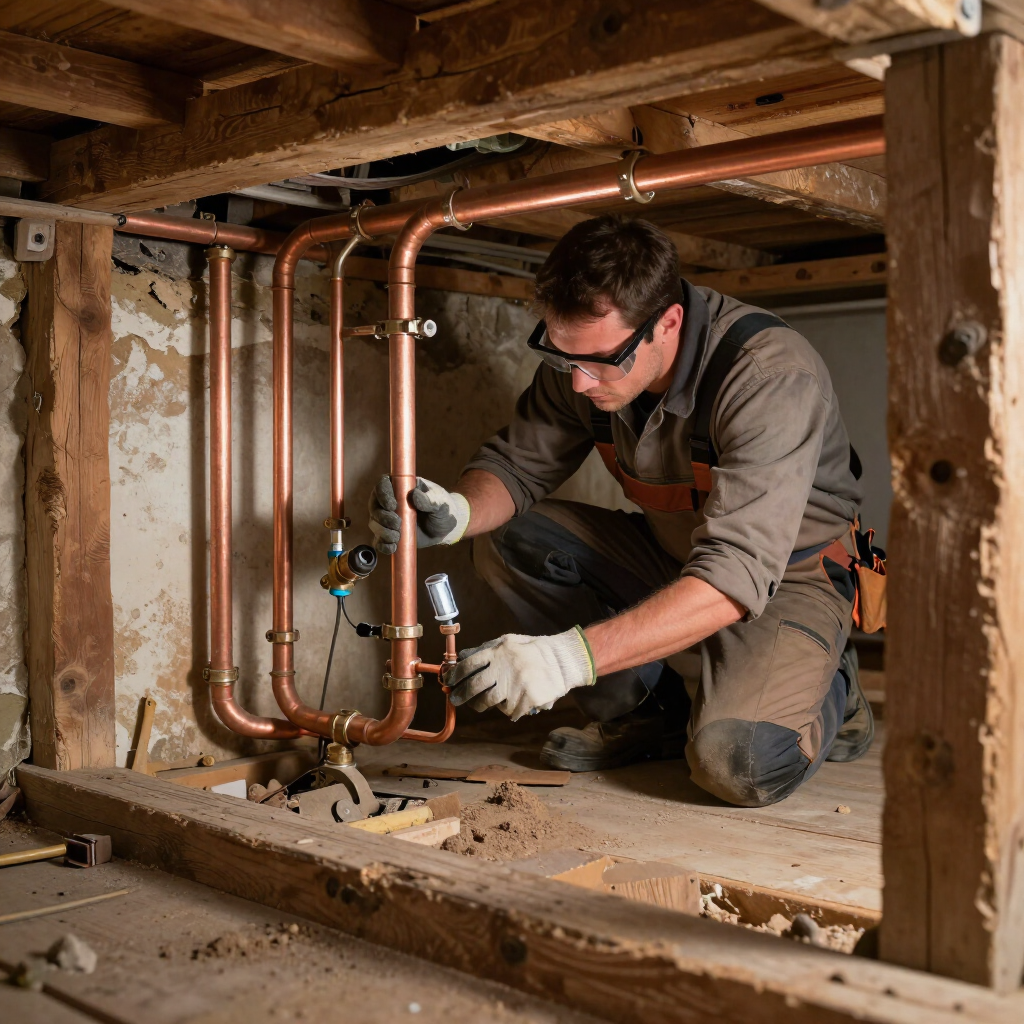
Pipework & Flow Rate Optimization
Thermostatic Control & Zoning
Hydronics
End-to-End Hydronic Solutions for Geelong Heritage Properties
Our team supplies and installs high-efficiency air-to-water heat pumps designed specifically for Geelong’s climate and the unique layouts of heritage homes, delivering reliable warmth with minimal disruption.
How We Connect Modern Heat Pumps to Victorian Radiators
Our proven 4-stage engineering process to upgrade historic hydronic heating without altering antique fixtures or floorboards.
Hydronic Load & Radiator Sizing Audit
We perform room-by-room heat loss calculations to evaluate your existing cast-iron radiator surface area against modern low-temperature water outputs (45°C–55°C).
Chemical Power Flush & System Cleansing
Decades of accumulated sludge, rust, and magnetite are flushed from vintage pipework to protect the new heat pump heat exchanger and restore maximum heating flow.
Thermostatic Valve (TRV) Retrofitting
We replace stuck vintage manual valves with precision thermostatic radiator valves in matching antique brass or cast-iron finishes for accurate room-by-room temperature control.
Air-to-Water Heat Pump Commissioning
We connect the outdoor inverter heat pump, set up weather compensation controls, balance flow rates across all floors, and test system efficiency.
Heat Pump vs Traditional Gas Boiler for Victorian Radiators
A side-by-side comparison of energy efficiency, operating costs, comfort, and heritage preservation for historic homes in Geelong.
1. Energy Efficiency & Output
Air-to-Water Heat Pump: Delivers a 300% to 400% efficiency rating (Coefficient of Performance of 3.0 to 4.0), generating three to four units of heat for every unit of electricity consumed.
Traditional Gas Boiler: Delivers only 70% to 85% seasonal efficiency, losing significant heat through flue venting and exhaust gases.
2. Flow Temperature & Radiator Performance
Air-to-Water Heat Pump: Operates at lower, steady flow temperatures (45°C to 55°C). The heavy cast-iron mass absorbs this heat slowly and radiates consistent, continuous warmth without drying out the air.
Traditional Gas Boiler: Pushes high intermittent temperatures (70°C to 80°C), creating hot-and-cold temperature spikes and higher thermal stress on old pipe fittings.
3. Running Costs & Carbon Footprint
Air-to-Water Heat Pump: Lowers annual heating bills by up to 45% when paired with competitive electric tariffs or rooftop solar, completely eliminating household gas dependency.
Traditional Gas Boiler: Exposes homeowners to volatile natural gas prices, rising network tariffs, and ongoing fossil fuel emissions.
4. Architectural Impact on Heritage Properties
Air-to-Water Heat Pump: Fully preserves original Victorian radiators, antique brass pipework, and historic timber flooring without invasive interior modifications.
Traditional Gas Boiler: Requires dedicated external flues, internal ventilation grills, and frequent combustion safety checks that can compromise historic exterior walls.
Summary Verdict
For Victorian properties with large cast-iron radiators, modern hydronic heat pumps provide superior room-by-room comfort and substantial cost reductions over traditional gas boilers. Cast-iron radiators naturally excel with low-temperature hydronic systems, delivering steady ambient warmth while safeguarding your home's historic integrity.
Victorian Radiators & Heat Pumps: What You Need to Know
Do I Have to Replace All My Victorian Cast Iron Radiators to Install a Heat Pump?
Is full replacement of Victorian radiators necessary for heat pump installation?
Not always. Radiators that are already oversized for the room’s insulation can often be kept. However, many spaces will need extra sections or modern low-temperature radiators to maintain warmth efficiently.Why do heat pumps require larger radiators?
Heat pumps operate at lower water temperatures (45°C–55°C) compared to traditional boilers (70°C–80°C). Increasing radiator surface area compensates for this, ensuring rooms receive adequate heat.Can heat pumps reduce heating costs in Victorian homes?
Yes. When paired with correctly sized radiators, heat pumps use less electricity per unit of heat than older electric or gas systems, lowering energy bills without sacrificing comfort.How does radiator sizing affect heat pump performance?
Proper radiator sizing ensures efficient heat distribution at lower temperatures, preventing cold spots and maximizing the heat pump’s energy efficiency in heritage homes.
Upgrade Radiators, Preserve Heritage
Retain your home’s character while optimizing heating with expert radiator upgrades tailored for heat pumps.
Upgrade Your Victorian Radiators for Heat Pump Comfort
Maintain your home's historic charm while improving heating efficiency. Our experts assess and adapt your radiators to work seamlessly with modern heat pumps, ensuring consistent warmth without compromising period aesthetics. Schedule a professional hydronic evaluation to optimize your system for Geelong winters.